

INCO: A New Approach to Inland Waterways Modernization

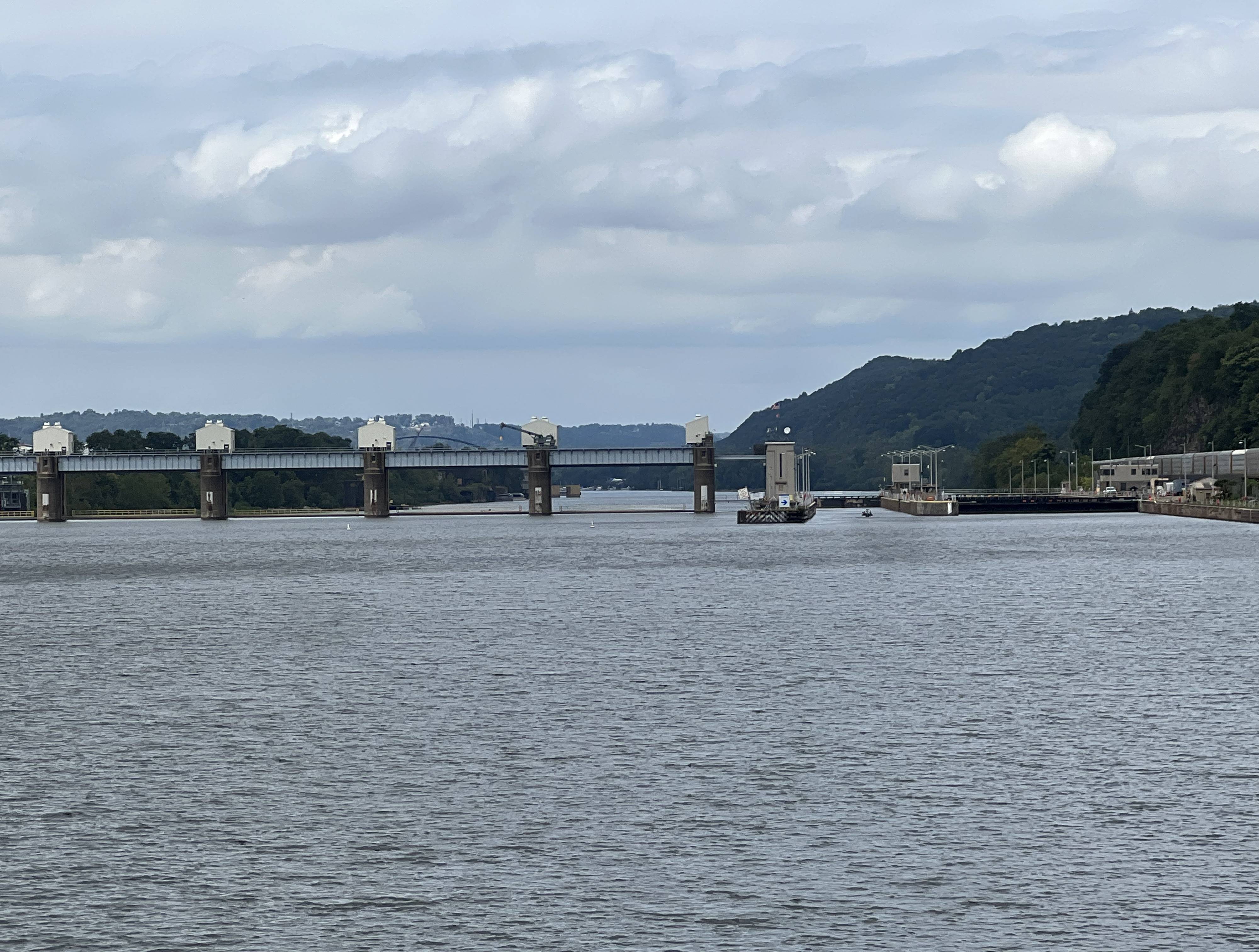
As the national public policy organization that advocates for a modern, reliable, efficient inland waterways and ports system, Waterways Council, Inc. (WCI) continually seeks ways to improve the delivery of inland waterways navigation projects managed by the U.S. Army Corps of Engineers.
And while more than $6 billion has been delivered over the past decade for construction and major rehabilitation for the inland waterways, with WCI securing $2.5 billion above the budget requests and $3 billion in supplemental funding since 2016, project delivery remains bottlenecked, delayed, and inefficient. Decades of cost overruns and construction delays stem from structural flaws in project management rather than technical or financial limitations. As a result, WCI is calling for a significant change in how the Corps delivers these inland projects.
Among our recommendations for delivery improvements (found in the WCI-commissioned HDR study Recommendations for Improving the Delivery of Inland Waterway Capital Projects) is the creation of an Inland Navigation Construction Organization (INCO). INCO would reside within Corps Headquarters to manage inland navigation modernization projects as a single, coordinated program rather than as a series of individual projects managed by various Corps’ districts and divisions that annually compete for funding and prioritization.
The need for INCO is evidenced, in part, by the fact that only three major inland navigation capital projects have been completed in the last 28 years, while several others have experienced sharp cost overruns of hundreds of millions of dollars (in one case 600% over budget) and schedule delays extending decades beyond original estimates. The Olmsted Lock took 28 years to complete, and the Kentucky Lock addition is currently entering its 28th year of construction.
HDR’s study underscores the overall fragmentation in the Corps’ project prioritization, design, and construction as a central cause of poor execution. Inland navigation projects are spread across numerous river systems, states, and Corps’ districts and divisions, further making consistent oversight difficult.
While the Corps is the Nation’s engineers and builders with experience managing complex infrastructure programs, inland navigation projects have been treated as standalone efforts, encouraging competition among individual projects rather than coordination across this national system with a geographic footprint directly touching 28 states.
Inland navigation projects rely on a hybrid funding model, with mega capital projects funded through 75% general treasury funds and a 25% nonfederal share from the Inland Waterways Trust Fund (IWTF), which is the repository of a 29-cents-per-gallon diesel fuel tax on commercial operators. Barge and towing companies are the only beneficiaries of the waterways system to pay tax for its use.
The Inland Waterways Users Board (IWUB), the federal advisory committee that advises the Corps and Congress on inland waterways infrastructure priorities, developed and recommended to Congress a long-term Capital Investment Strategy (CIS) to guide investment for IWTF projects. But the HDR study suggests that the Corps’ annual project execution plan does not reflect the CIS. As a result, Congress receives differing messages from the Corps and nonfederal partners about project priorities, further complicating appropriations decisions and limiting federal spending.
As part of INCO to further improve transparency and accountability, WCI is also urging the Corps to establish a single Inland Program Manager to:
•Coordinate funding priorities across major and mega inland navigation projects.
•Conduct regular progress reviews of project scope, budget, and schedule.
•Serve as the primary point of contact for Congress and the IWUB.
•Ensure alignment between long-term investment strategies and annual appropriations. This structure is modeled after existing Corps’ program organizations used for dam safety and military construction, which centralize oversight while allowing individual districts to retain responsibility for project delivery.
The Inland Program Manager can consolidate information across Corps Headquarters, Divisions, Districts, and design centers to reduce duplication and conflicting reporting. This can help identify risks earlier and provide lawmakers with more reliable information on project execution. Given federal workforce reductions that have depleted experience levels across the Corps, the Inland Program Manager can also underscore the importance of staff continuity and institutional knowledge that can be brought to bear on project delivery.
INCO would not change Congress’s authority over appropriations, remove project delivery responsibility from Corps’ Districts and Divisions, or require new statutory authority; rather, it would provide a clearer framework to coordinate existing functions.
With China completing a $10 billion mega inland-to-sea project in the South China Sea in less than one year that will reduce shipping by 350 miles, the United States is losing global competitive ground. Formulating INCO into the Corps process and creating an Inland Program Manager are relatively small steps toward modernizing our critically important inland waterways system to more efficiently meet the challenges of the world’s transportation supply chain.